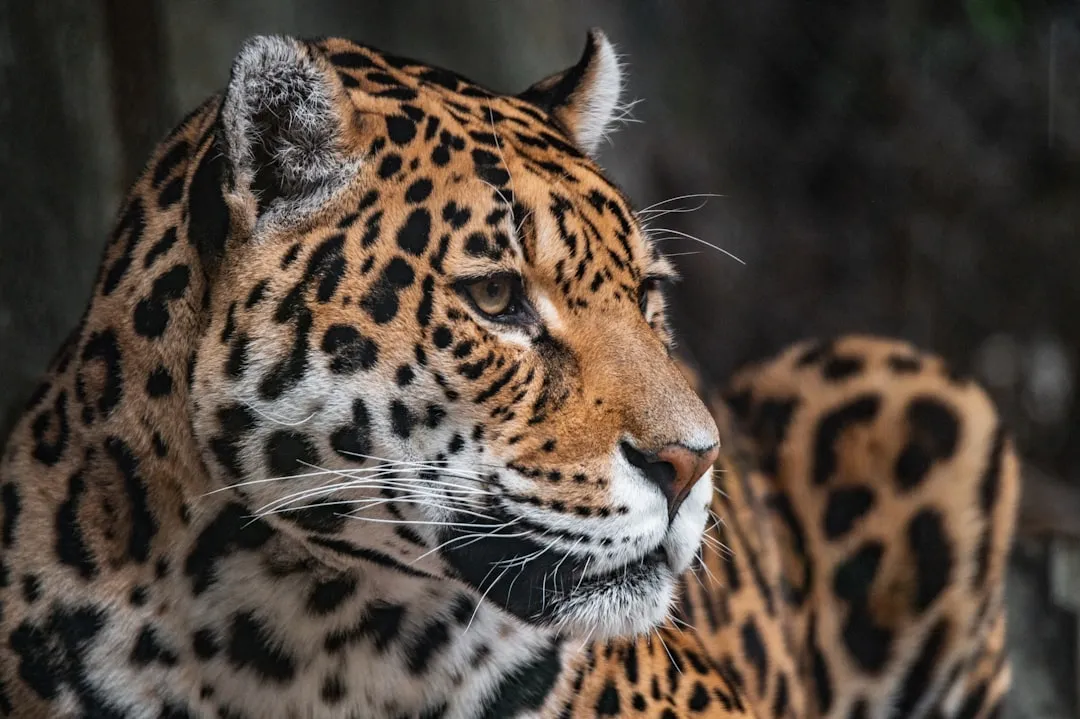

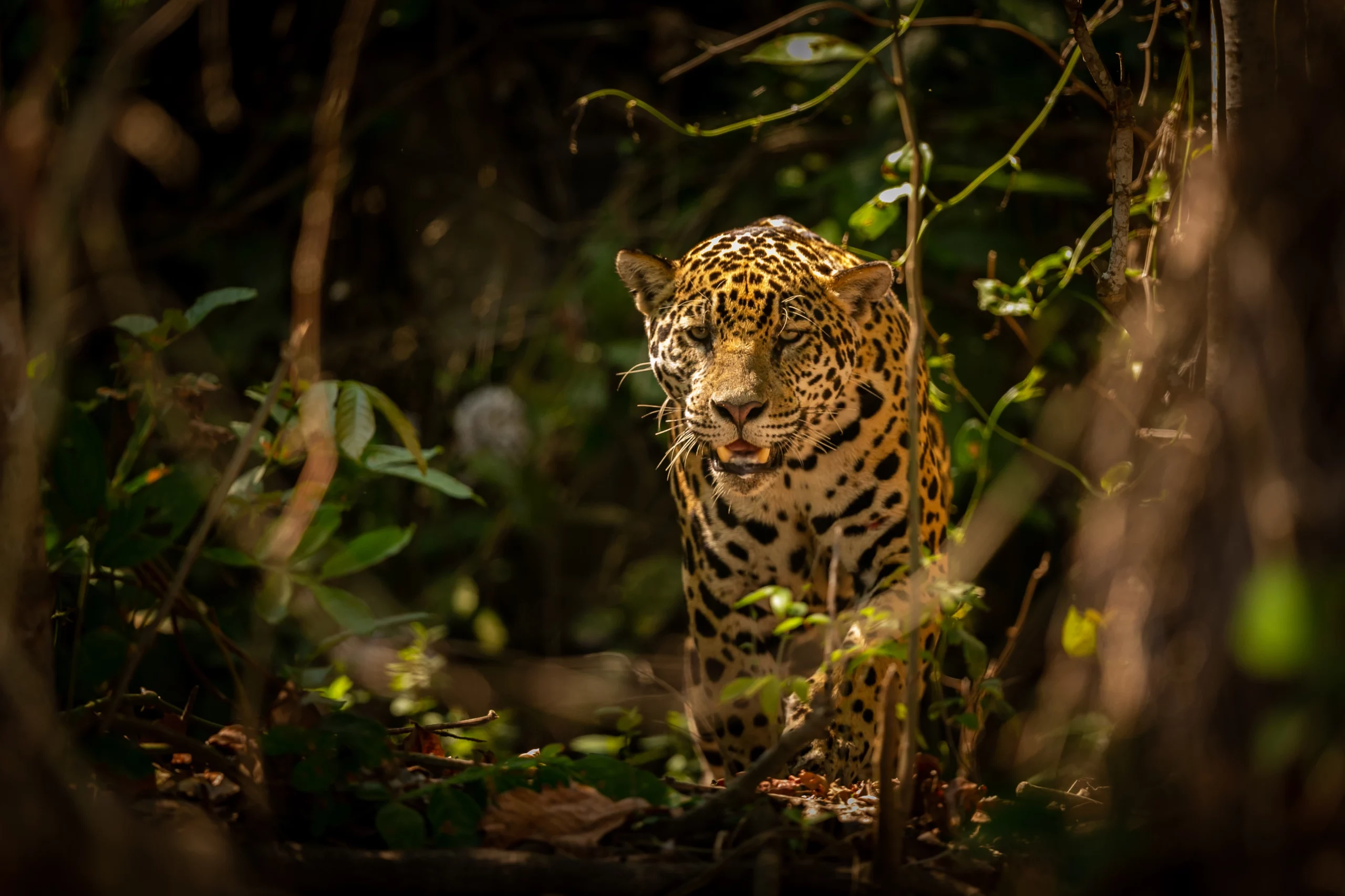
Venturing into the vast and lush Brazilian Pantanal is an experience that promises encounters with nature in its purest and wildest state. For many, the main objective of this adventure is the sighting of the majestic jaguar, the largest cat in the Americas and a symbol of power and mystery. The anticipation of seeing these magnificent animals in their natural habitat is immense, but the key to maximizing your chances of success lies in careful planning, especially regarding choosing the right time. Therefore, the fundamental question that arises for any wildlife enthusiast is: What is the best time to see jaguars in the Pantanal?
Determining the optimal time is not a matter of chance, but of understanding the natural cycles of the Pantanal ecosystem and the behavior of its inhabitants. The answer to "What is the best time to see jaguars in the Pantanal?" is intrinsically linked to the rainy and dry seasons, which dictate prey availability, accessibility of viewing areas, and ultimately, jaguar visibility. Understanding these dynamics will allow you to design an itinerary that not only increases your chances of sightings but also offers a deeper immersion into the life of this incredible biome.
Understanding the Pantanal Seasons
The Pantanal, the world's largest tropical wetland, experiences two main seasons: the dry season and the wet season. Each presents unique characteristics that directly influence wildlife and, consequently, the possibility of spotting jaguars.
The Dry Season: The Golden Time for Sightings
Generally, the dry season in the Pantanal spans from May to October. During these months, water levels drop drastically, and rivers and lagoons shrink to smaller channels. This phenomenon has several direct consequences that greatly benefit jaguar watchers.
First, the decrease in water forces animals, including jaguars and their prey, to congregate near the remaining water sources. Sandbanks and exposed riverbanks become natural meeting points. Jaguars, which are excellent swimmers but prefer to hunt on land, are easier to locate when they move along the banks or rest under the shade of trees near the water. Roads and trails, which can be impassable during the wet season, become accessible, allowing for greater access to viewing areas.

Overall visibility increases significantly. With less dense vegetation and less water covering the landscape, it is easier to spot animals from a distance. Boats and canoes can navigate the narrower channels, bringing visitors closer to jaguar habitats without disturbing them. For these reasons, many tour operators and experienced guides agree that the dry season, especially between June and September, is the best time to see jaguars in the Pantanal.
The Wet Season: A Transformed Landscape
The wet season, which runs approximately from November to April, brings torrential rains that flood vast expanses of land. The landscape transforms into a vast sea of water, creating a vibrant and lush ecosystem.
While the abundance of water can make wildlife more dispersed and harder to track, the wet season also offers its own wonders. Vegetation flourishes, attracting a wide variety of birds and other animals. Elevated water levels facilitate exploration by boat, allowing access to areas that would otherwise be inaccessible. However, for specific jaguar sightings, it can be more challenging.

Jaguars have a large territory, and with so much water available, they can move with greater freedom and discretion. Prey is also more dispersed, meaning jaguars do not need to concentrate in specific areas to feed. Despite these challenges, some travelers prefer this time for the scenic beauty and the greater abundance of other species. The key here is patience and the guide's experience, who will know where to look and how to interpret the environmental signs.
Key Factors for Jaguar Sightings
Beyond the general season, other factors influence your chances of seeing a jaguar. Understanding them will help you plan your trip more effectively.
Prey Behavior
Jaguars are apex predators, and their presence is directly related to the availability of their prey. In the Pantanal, their main prey includes capybaras, caimans, fish, deer, and monkeys. During the dry season, when prey are forced to seek water, they become more vulnerable and predictable, making it easier for jaguars to hunt and, therefore, for observers to spot them.
Reproductive Cycle
Although jaguars can reproduce year-round, there are peaks in activity. Cubs are usually born in the wet season, meaning mothers may be more active and visible searching for food for their young during the transition to the dry season. However, mothers with young cubs may also be more elusive to protect their offspring.
Accessibility and Logistics
The choice of season also affects the logistics of your trip. During the dry season, the ma...(continues)