




Venturing into the heart of the Pantanal is embarking on an unparalleled adventure, a journey to one of the richest and most vibrant ecosystems on the planet. Here, amidst vast wetlands and lush jungles, resides the undisputed king of these lands: the jaguar. The possibility of spotting Pantanal jaguars in their natural habitat is a lifelong experience, an encounter with the wild force and untamed beauty of nature at its finest. Prepare for a deep immersion into the world of these magnificent felines, exploring the best strategies, seasons, and locations to maximize your chances of a memorable encounter.
The Pantanal, the world's largest tropical wetland, stretches across Brazil, Bolivia, and Paraguay, offering a sanctuary of incomparable biodiversity. Its vastness and complexity make it a dream destination for wildlife lovers, but it is the presence of the jaguar, the third-largest feline in the world, that draws explorers from all corners of the globe. The key to a successful expedition lies in preparation, knowledge, and, above all, respect for this fragile environment and its inhabitants.
The Majesty of the Jaguar in its Natural Habitat
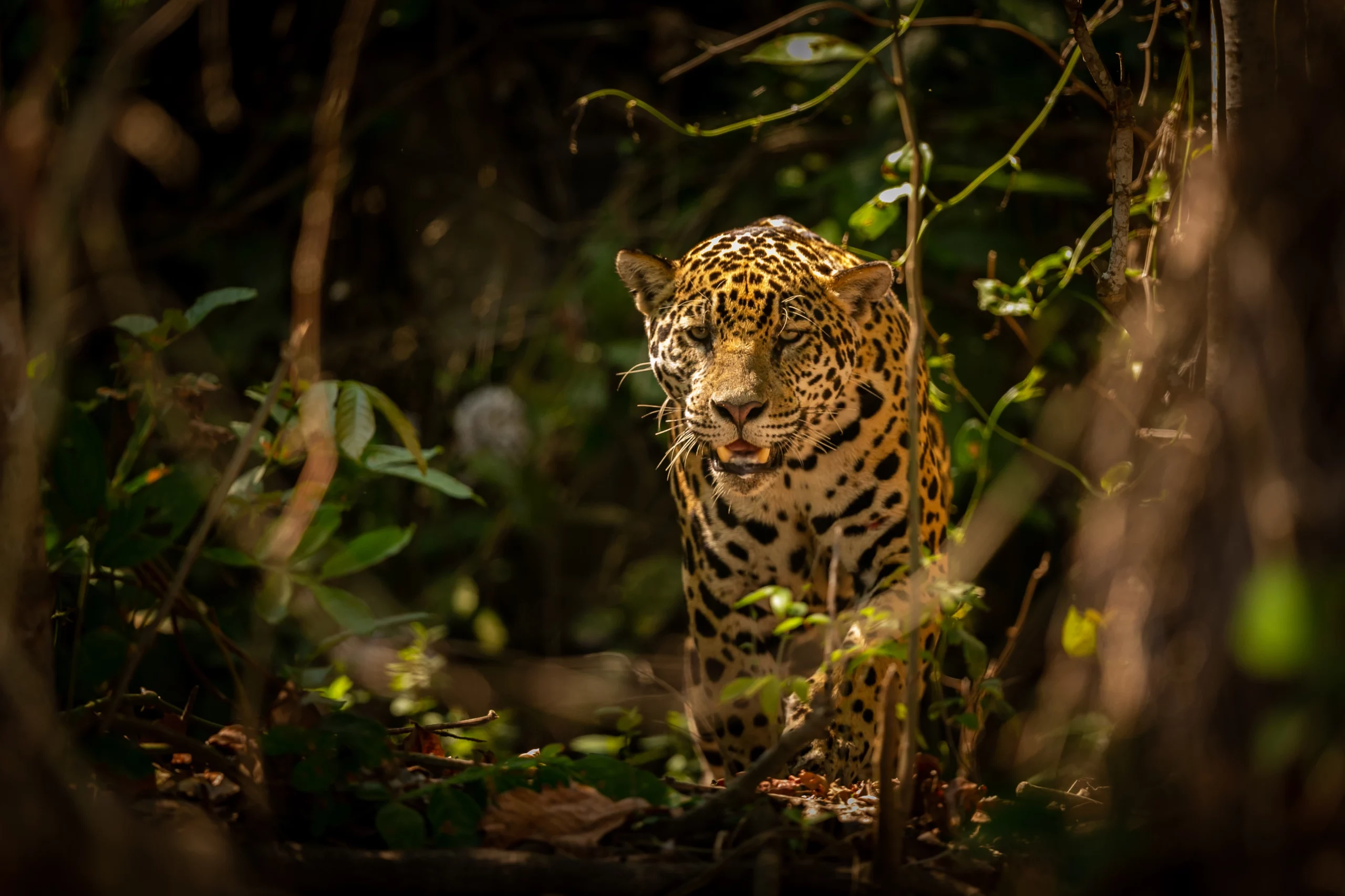
The jaguar (Panthera onca) is an apex predator, a symbol of power and mystery. Its distinctive spotted coat, which varies in shades from golden yellow to deep black (melanism), provides it with perfect camouflage for stalking its prey in the dense vegetation. In the Pantanal, its diet is varied, including capybaras, caimans, fish, and deer, demonstrating its adaptability and skill as a hunter.
The life of Pantanal jaguars is intrinsically linked to the region's water cycles. During the dry season (approximately May to October), water levels recede, concentrating prey in smaller areas and making jaguars more visible, especially along rivers and lagoons. This is, undoubtedly, the peak season for spotting these fascinating animals.

When and Where to Look for Jaguars in the Pantanal?
Choosing the right time and place is crucial to increase your chances of seeing jaguars. The dry season is, by excellence, the best period. During these months, animals congregate near water sources, and boats become ideal observation platforms for navigating rivers and channels.
Main Regions for Spotting
Several areas of the Brazilian Pantanal are particularly famous for their high concentrations of jaguars and the ease of spotting them:
- Poconé Pantanal (North): Known for the Transpantaneira, a scenic highway that crosses the heart of the Pantanal. Along this road, and especially at the lodges located at its final kilometers, opportunities to see jaguars are significant. Riverboats are essential here.
- Miranda and Aquidauana Pantanal (South): This area offers a wilder and less crowded experience. Fazendas (farms) offering ecotourism are excellent starting points, and boat safaris along the Paraguay and Miranda rivers are very productive.
- Rio Negro Ecological Sanctuary Private Natural Heritage Reserve (RPPN): A protected area that has proven to be a successful refuge for jaguars, with monitoring programs that facilitate their location.
Patience is an indispensable virtue. Sometimes, jaguars can be elusive, and it may take several days of searching to have a successful sighting. However, the experience of being in the Pantanal, surrounded by astonishing biodiversity, is already a reward in itself.
Effective Spotting Strategies
Maximizing your chances of seeing jaguars requires a combination of planning, local knowledge, and the use of appropriate observation techniques.
River Safaris: The Preferred Option
Boat safaris are, without a doubt, the most popular and effective way to spot Pantanal jaguars. Rivers act as highways for these big cats, which often approach the banks to drink, hunt, or simply rest in the shade.
- Small and quiet boats: Allow getting close without disturbing the animal.
- Expert guides: Their knowledge of jaguar behavior and territories is invaluable.
- Key moments: Dawn and dusk are usually the times of greatest activity.
Observation from Fazendas and Pousadas
Many tourist fazendas in the Pantanal have implemented controlled feeding programs to attract jaguars to specific areas, which drastically increases spotting opportunities. These programs are carried out ethically and sustainably, without directly interfering with wildlife.
- Observation platforms: Designed to offer safe and privileged views.
- Constant monitoring: Dedicated teams track jaguar presence.
Wildlife Photography
For photography enthusiasts, the Pantanal is a paradise. The quality of light during the golden hours is exceptional, and the opportunity to capture images of jaguars in their natural environment is a dream come true. It is important to use appropriate equipment, such as long zoom lenses, and be respectful of distance to avoid stressing the animal.


