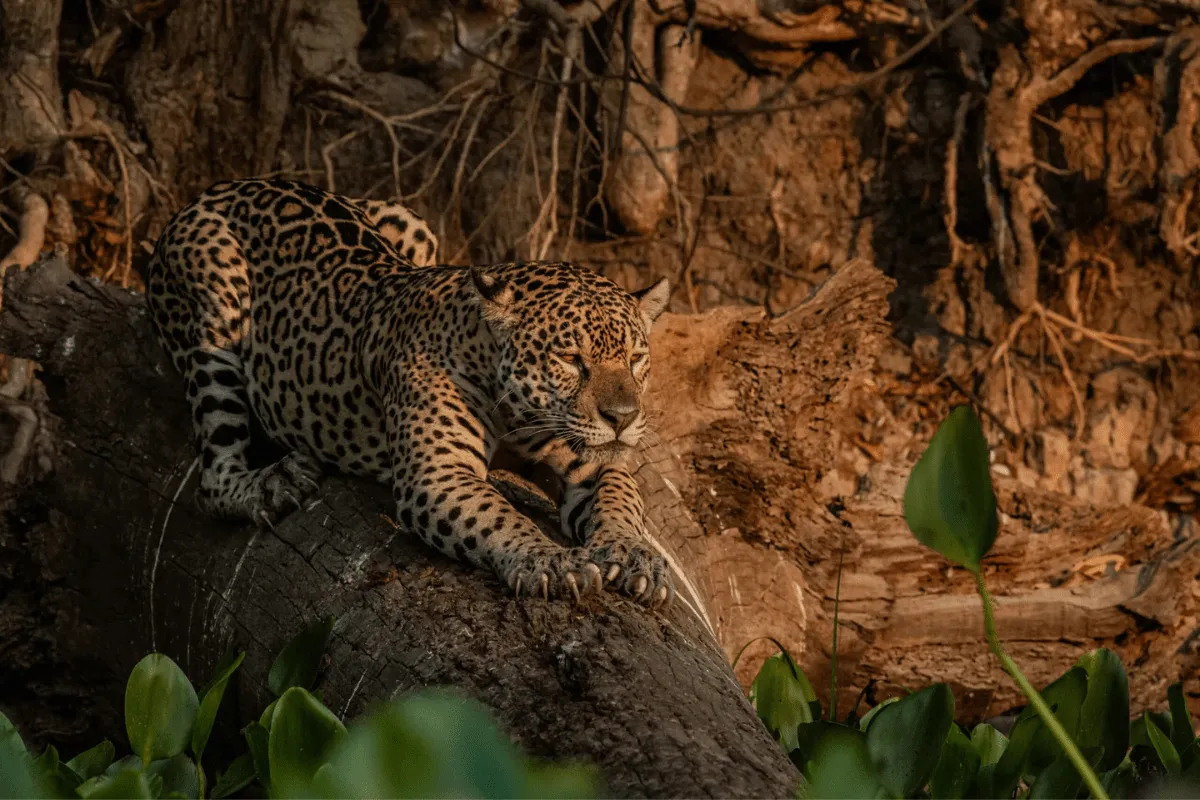

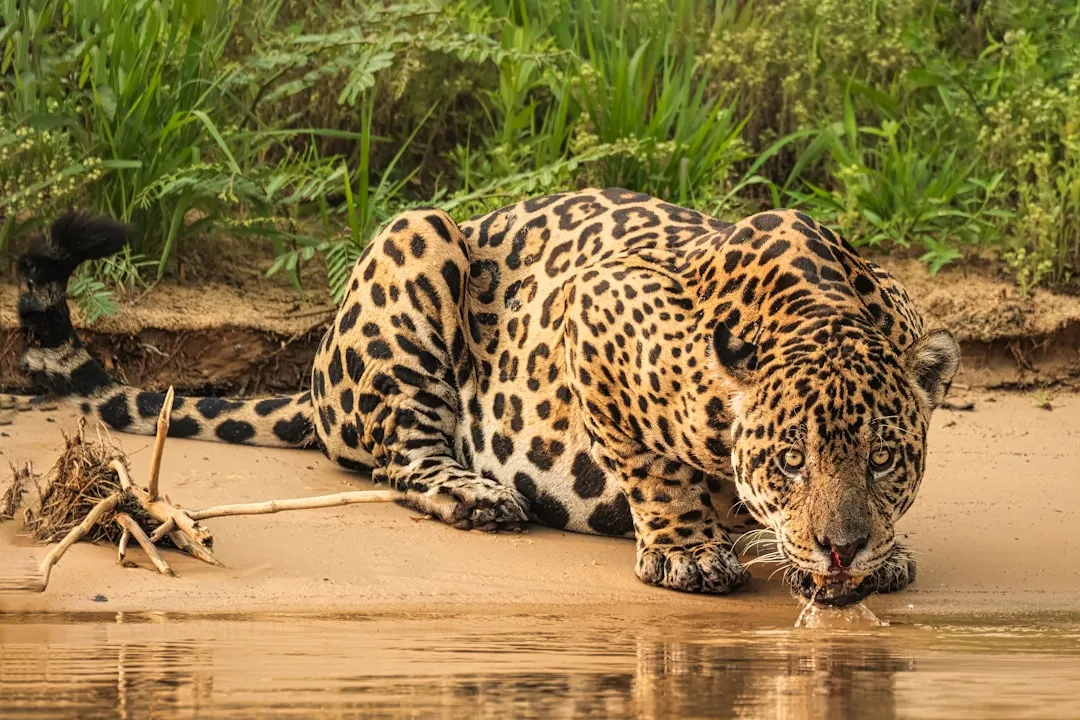
The Pantanal, a vast South American wetland ecosystem, is one of the most impressive wildlife sanctuaries, and its most emblematic inhabitant is undoubtedly the jaguar. Jaguar photography Pantanal attracts professionals and enthusiasts from all over the world, eager to capture the magnificence of this feline in its natural environment. However, achieving impactful images requires more than luck; it demands knowledge, patience, and the right equipment.
This natural paradise offers unique opportunities to observe and photograph jaguars with a frequency that few places in the world can match. The key to success in jaguar photography Pantanal lies in understanding the animal's behavior patterns, the best times to visit, and the most effective photographic techniques. Prepare for an unforgettable adventure in search of the perfect image of this majestic predator.
The Charm of the Pantanal for Wildlife Photographers
The Pantanal is a mosaic of rivers, lagoons, savannas, and forests, creating an ideal habitat for astonishing biodiversity. Its vastness, shared mainly by Brazil, Bolivia, and Paraguay, is home to one of the densest jaguar populations on the planet. The relative ease of spotting these elusive felines, especially during the dry season when waters recede and animals concentrate near rivers, makes the Pantanal a dream destination for jaguar photography Pantanal.
The experience of photographing jaguars in their habitat is profoundly rewarding. Seeing a jaguar stealthily stalking along the bank, swimming expertly, or simply resting in the shade of a tree is a breathtaking spectacle. Each encounter is an opportunity to document the wild beauty and ecological importance of this apex predator.

Best Time for Jaguar Photography Pantanal
Choosing the right time to visit the Pantanal is crucial for maximizing sighting opportunities and, consequently, for jaguar photography Pantanal. The Pantanal's climate is mainly divided into two seasons:
- Dry Season (approximately June to October): This is undoubtedly the high season for wildlife photography in the Pantanal. As water levels drop, animals, including jaguars, congregate around the remaining water sources. This significantly increases the chances of sightings along the rivers, which are often explored by boat, providing excellent vantage points for photography.
- Wet Season (approximately November to May): During this period, heavy rains flood vast areas of the Pantanal. While this creates lush landscapes and is ideal for photographing water birds and other water-adapted animals, it can make accessing and observing jaguars difficult, as they tend to disperse into wider, denser areas.
For jaguar photography Pantanal, the dry season offers the highest probability of success, allowing photographers to capture iconic images of jaguars in their riparian environment.
Essential Equipment for Jaguar Photography Pantanal
Capturing the essence of a jaguar in its wild habitat requires specialized photographic equipment. It's not just about having a camera, but about choosing the right tools for the job. Jaguar photography Pantanal demands versatility and the ability to work in often challenging conditions.
Cameras and Lenses
For jaguar photography Pantanal, a digital SLR (DSLR) or mirrorless camera with good autofocus capabilities and high burst shooting speed is recommended. This is vital for capturing a jaguar's rapid action. Regarding lenses, versatility is key:
- Long telephoto lens (300mm - 600mm): Essential for getting close to the subject without disturbing it. It allows for capturing fine details, facial expressions, and behaviors from a safe distance. A lens with a wide aperture (f/2.8 or f/4) is ideal for low-light conditions and for achieving a blurred background (bokeh) that highlights the subject.
- Versatile zoom (70-200mm or 100-400mm): Useful for wider compositions that include the jaguar's environment or for capturing moments when the animal is closer.
- Wide-angle lens: Although less common for direct jaguar photography, it can be useful for capturing the vast Pantanal landscape and contextualizing the animal within its ecosystem.
Indispensable Accessories
In addition to camera and lenses, consider the following accessories:
- Tripod or monopod: Essential for stabilizing equipment, especially with long telephoto lenses, and for ensuring sharp shots in low-light conditions. A sturdy tripod is a worthwhile investment.
- Extra batteries and memory cards: Photography days can be long, and it's crucial not to run out of power or storage space.
- Weather protection: The Pantanal can be humid. Waterproof covers for the camera and equipment are essential.
- Binoculars: For spotting animals at a distance before preparing photographic equipment.
Equipment preparation is a fundamental step for successful jaguar photography Pantanal.

Techniques for Capturing the King of the Pantanal
Jaguar photography Pantanal goes beyond pointing and shooting. It requires a deep understanding of animal behavior and photographic techniques to maximize the chances of obtaining extraordinary images.
...(continues)