



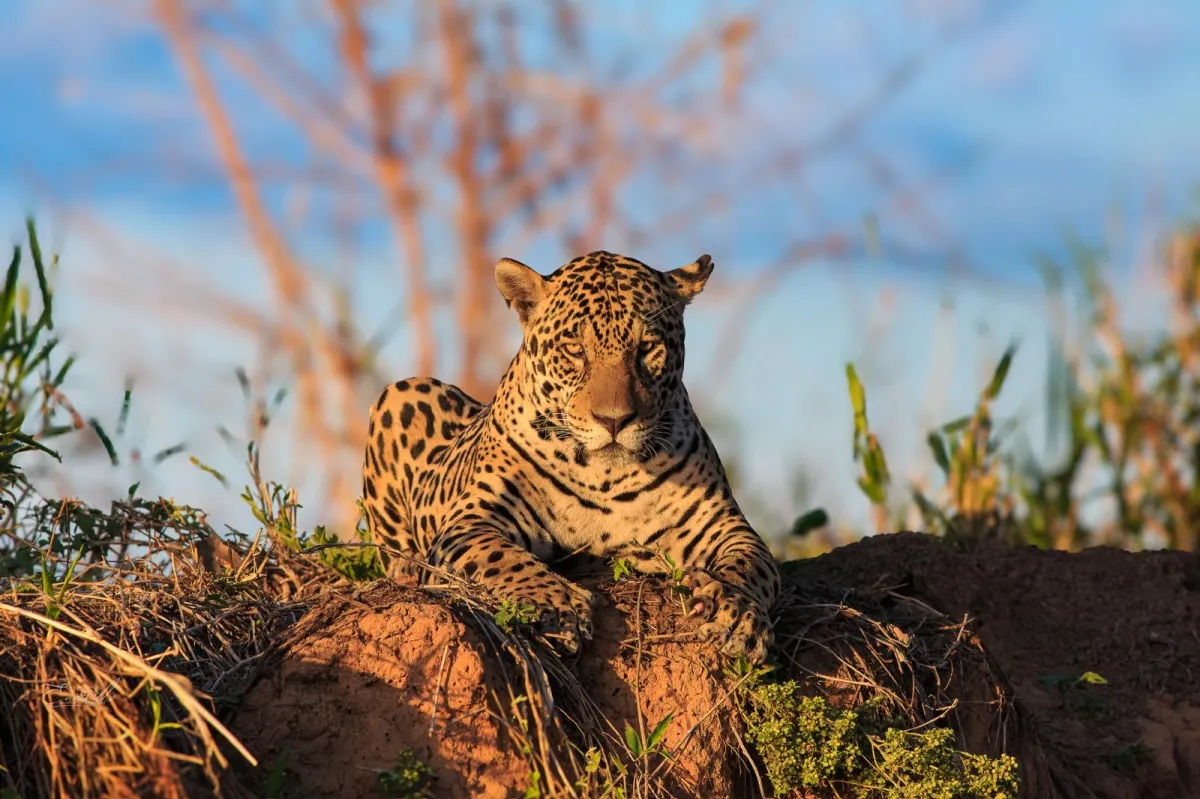
For wildlife lovers and nature photographers, the prospect of spotting a jaguar in its natural habitat is a dream. The Brazilian Pantanal, one of the world's largest wetlands, offers an unparalleled opportunity to witness this majestic feline. However, maximizing the chances of a successful encounter requires careful planning, and the key question that arises is: what is the best time of year for a successful jaguar safari in the Pantanal?
The answer to this question is not a simple date on the calendar, but a deep understanding of the Pantanal's natural cycles and how they influence jaguar behavior and the region's accessibility. Factors such as water levels, prey availability, and vegetation play a crucial role in determining when your chances of sightings skyrocket.
Understanding the Pantanal's Cycle: Dry and Wet Seasons
The Pantanal is characterized by an annual cycle of floods and droughts, which largely dictate life in the ecosystem. These two seasons, the dry and the wet, have a direct impact on wildlife and, therefore, on the safari experience.
The Dry Season: The Golden Time for Jaguar Sightings
Generally, the dry season in the Pantanal spans from May to October. During these months, water levels drop drastically, resulting in the formation of large pools and smaller rivers where aquatic life concentrates. This concentration of prey attracts jaguars, as it makes hunting easier for them.
Jaguars are excellent swimmers and are not afraid of water, but during the dry season, they are seen more frequently on the banks of rivers and lagoons, actively seeking their sustenance. Boats become the primary mode of transport, navigating through channels and rivers that become more accessible, offering privileged views of the fauna.
Furthermore, vegetation becomes less dense during the dry season, improving visibility. Trails dry out, allowing access to areas that would otherwise be submerged. This means that both boat safaris and land tours become more effective for observing wildlife in general, and jaguars in particular. The availability of prey such as caimans, capybaras, and fish becomes more predictable, attracting jaguars to specific areas where they are easier to locate.

The Wet Season: A Challenge and a Unique Opportunity
The wet season, which runs approximately from November to April, brings torrential rains that flood vast expanses of the Pantanal. While this can make navigation more difficult and some areas inaccessible, it also creates a spectacular landscape and a different wildlife dynamic.
During the wet season, jaguars have more space to move and can disperse into larger areas. While this can make sightings less predictable, it also means there is less competition for resources. For more experienced observers, the wet season can offer unique encounters, especially if using elevated lodges or amphibious boats that can access more remote areas.
However, for most visitors looking to maximize their chances of seeing jaguars, the dry season remains the most recommended option. The ease of movement and the concentration of prey make it significantly more likely to have frequent and prolonged sightings. Preparation for the wet season involves greater flexibility and a potential reliance on local guides with deep knowledge of accessible areas.
Key Factors for a Successful Safari
Beyond the season, several elements contribute to making your jaguar safari a resounding success. The choice of tour operator, type of accommodation, and your guide's experience are as important as the time of year.
The Importance of an Expert Guide
An experienced local guide is undoubtedly the most valuable asset on any safari. They know the jaguars' territories, their hunting habits, and the best strategies for locating them. A good guide will not only take you to the right places but also provide valuable information about jaguar behavior, Pantanal ecology, and the conservation of this endangered species.
They know where to look, when to look, and how to interpret nature's signs. Their knowledge of the terrain and their ability to read animal behavior are irreplaceable. Effective communication with your guide and trust in their expertise are fundamental for a rewarding experience.
Strategic Accommodation
The location of your accommodation plays a crucial role. Lodges situated along key rivers and lagoons offer direct access to jaguar patrol routes. Many of these lodges offer their own boat safaris, allowing you to explore the waters in search of these magnificent predators.
Consider accommodations that offer private boat safaris or have a fleet of well-maintained boats and expert guides. Comfort and accessibility from your base of operations are also important factors to consider for optimizing your observation time.

Duration of Stay
To increase your chances of sightings, a minimum stay is recommended...
