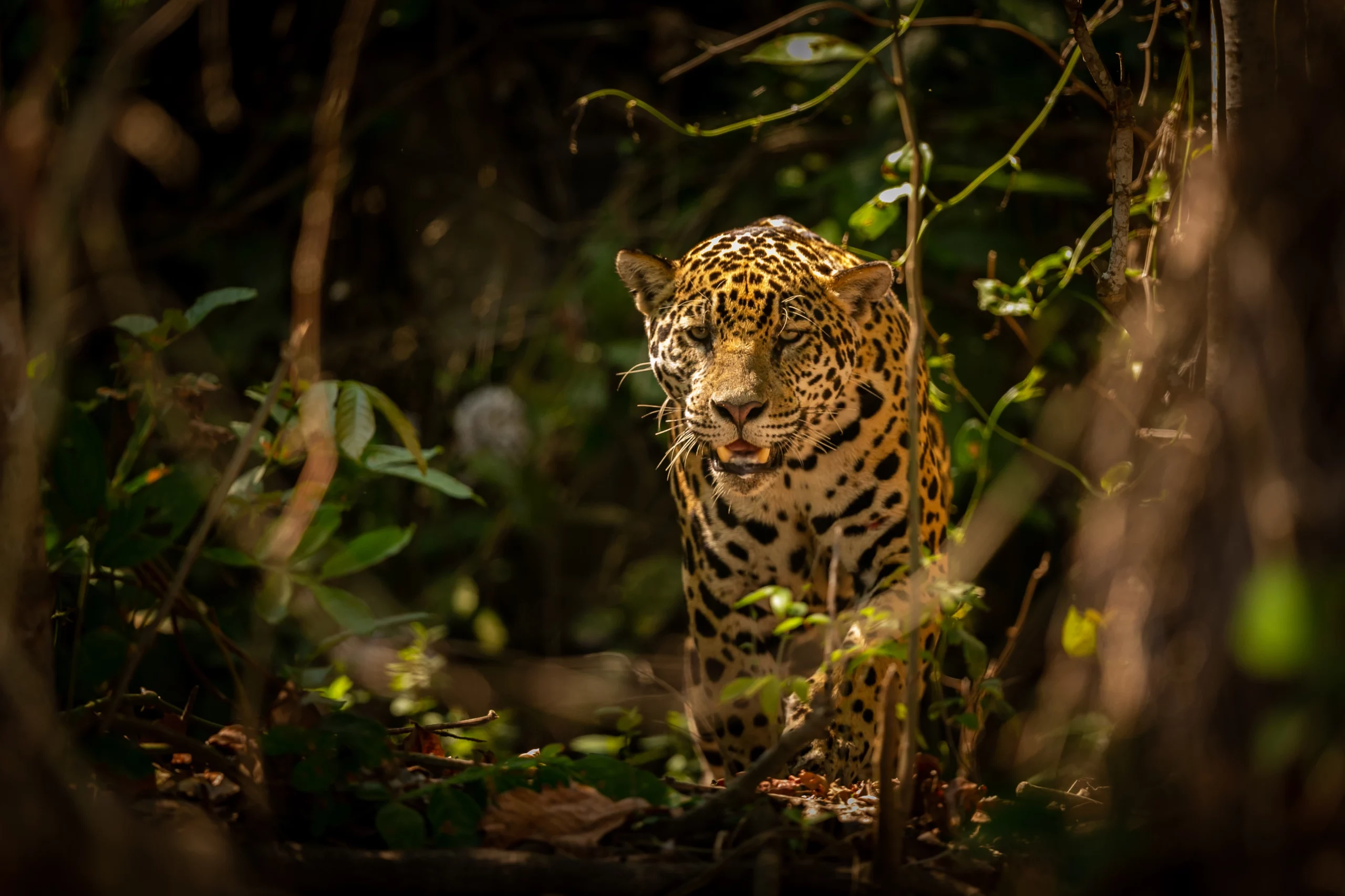

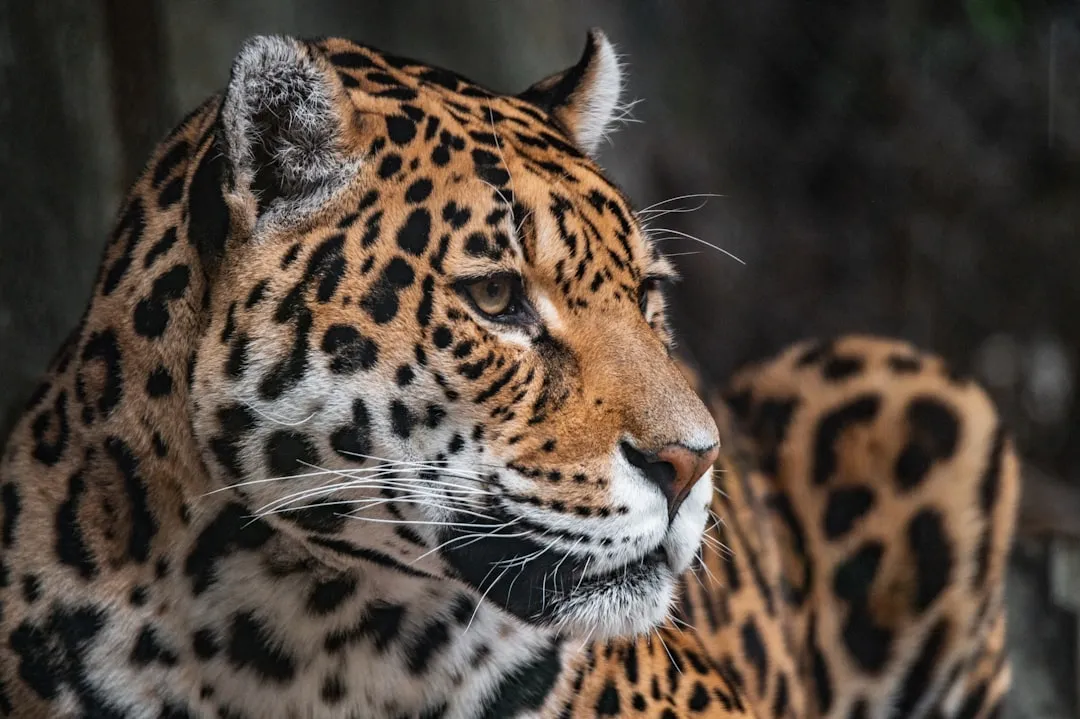
The fundamental question that resonates in the mind of every adventurer is clear: Is a jaguar safari in the Pantanal safe? This vast wetland, considered one of the richest wildlife sanctuaries on the planet, attracts thousands of visitors each year with the promise of spotting the majestic jaguar in its natural habitat. The thrill of witnessing this iconic feline, the king of the jungle, prowling along the riverbanks or stalking its prey, is undeniable. However, as with any expedition into wild environments, safety is a paramount concern.
Planning a jaguar safari in the Pantanal requires a deep understanding of the potential challenges and necessary preventive measures. It's not just about packing a camera and binoculars; it involves meticulous preparation, from choosing the right tour operator to knowing the guidelines for behavior in the wild. The good news is that, with the right information and respect for the environment, a jaguar safari experience in the Pantanal can be not only safe but also extraordinarily rewarding and transformative.
Understanding the Pantanal Environment
The Brazilian Pantanal is a complex and dynamic ecosystem, a mosaic of rivers, lagoons, forests, and savannas that spans several states. Its annual cycle of floods and droughts shapes the lives of its inhabitants, including jaguars. During the rainy season (approximately November to March), much of the land is submerged, creating an aquatic landscape ideal for fishing, a key activity for jaguars. In the dry season (April to October), the waters recede, concentrating wildlife in smaller areas and making jaguar sightings more likely, especially along the rivers.
The biodiversity of the Pantanal is astonishing. In addition to jaguars, it is home to caimans, capybaras, anacondas, marsh deer, a myriad of water birds, and a wide variety of other mammals and reptiles. This abundance of prey contributes to the health and prosperity of jaguar populations, but it also means that the ecosystem is teeming with life, and therefore, with potential interactions with wildlife.

Is a Jaguar Safari in the Pantanal Safe? Key Factors
Safety on a jaguar safari in the Pantanal can be broken down into several critical components. It's not a single factor, but the sum of precautions and diligence at every stage of the expedition. Risk management is fundamental, and this begins long before setting foot in the Pantanal.
Choosing the Tour Operator
This is perhaps the most important factor in ensuring safety. A reputable tour operator will have experienced guides who are knowledgeable about the behavior of jaguars and other wild animals. These guides are trained to maintain a safe distance, interpret animal signals, and know how to react to any unexpected situation. Research thoroughly, read reviews, and inquire about their safety protocols. A good operator will prioritize your well-being above all else.
The Role of the Expert Guide
Local guides are the backbone of any successful and safe safari. They possess intimate knowledge of the terrain, animal habits, and jaguar behavior patterns. They know where to look for them, how to approach without disturbing them, and crucially, how to keep tourists at a safe distance. Their wildlife expertise is invaluable in preventing incidents.
Transportation and Viewing Methods
Jaguar safaris in the Pantanal are typically conducted on boats or motor launches along the rivers and channels. This is a safe and effective way to observe jaguars, as they often congregate near the water to drink or hunt. The boats allow for a prudent distance to be maintained and minimize direct contact. Some safaris may also include 4x4 vehicles to explore terrestrial areas, but always under the strict supervision of guides.

Visitor Behavior
Safety doesn't solely depend on guides and operators, but also on responsible visitor behavior. It is crucial to follow the guide's instructions precisely. This includes:
- Staying calm: Avoid loud noises, sudden movements, or gestures that could frighten or provoke the animals.
- Do not feed the animals: This alters their natural behavior and can be dangerous for them and for humans.
- Remain within designated areas: Do not stray from paths or boats without permission.
- Do not touch or try to pet the animals: No matter how docile they seem, they are still wild.
- Respect their space: Maintain a safe distance, even when animals approach.
Potential Risks and How to Mitigate Them
While the Pantanal is a relatively safe destination for safaris, there are inherent risks associated with wildlife. Jaguars, although generally avoiding humans, are powerful predators. Risks include:
- Unexpected close encounters: A jaguar might appear suddenly, especially if adequate precautions are not taken.
- Other dangerous animals: The Pantanal is home to caimans, anacondas, and other animals that require caution.
- Weather conditions: The weather can change rapidly, with sudden storms or extreme heat.
- Mosquito-borne illnesses: Com...(continues)