




The dream of many wildlife lovers is to witness the majesty of a jaguar in its natural environment, and few experiences compare to the possibility of embarking on a jaguar safari in the Pantanal. This vast wetland, considered one of the richest ecosystems on the planet, offers an unparalleled window into the life of this iconic feline, the largest in the Americas.
Imagine navigating serene rivers, surrounded by lush vegetation and the sounds of countless species. Suddenly, on the bank, an imposing figure appears: a jaguar, calm, observing its kingdom. This is the promise of a jaguar safari in the Pantanal, an adventure that combines the thrill of wildlife observation with the breathtaking beauty of a wild and pristine landscape. Preparation and knowledge of the terrain are key to maximizing sighting opportunities, making each expedition an exciting and rewarding quest.
Why Choose the Pantanal for a Jaguar Safari?
The Pantanal, shared by Brazil, Bolivia, and Paraguay, is a biodiversity paradise. Its geography, characterized by extensive floodplains that cyclically dry and fill, creates an ideal environment for wildlife. Unlike the dense Amazon rainforest, the Pantanal's vegetation is more dispersed, facilitating visibility of animals, especially large mammals like the jaguar. Riverbanks are crucial meeting points where jaguars come to drink, hunt, and rest, making them prime locations for safaris.
The high density of jaguars in certain areas of the Pantanal, particularly in the Brazilian region of Mato Grosso do Sul, is a determining factor. Local guides, with deep knowledge of these animals' habits and territories, employ tracking and observation techniques that significantly increase the chances of a successful encounter. Patience and discretion are essential virtues in this quest, allowing jaguars to show themselves without disturbance.
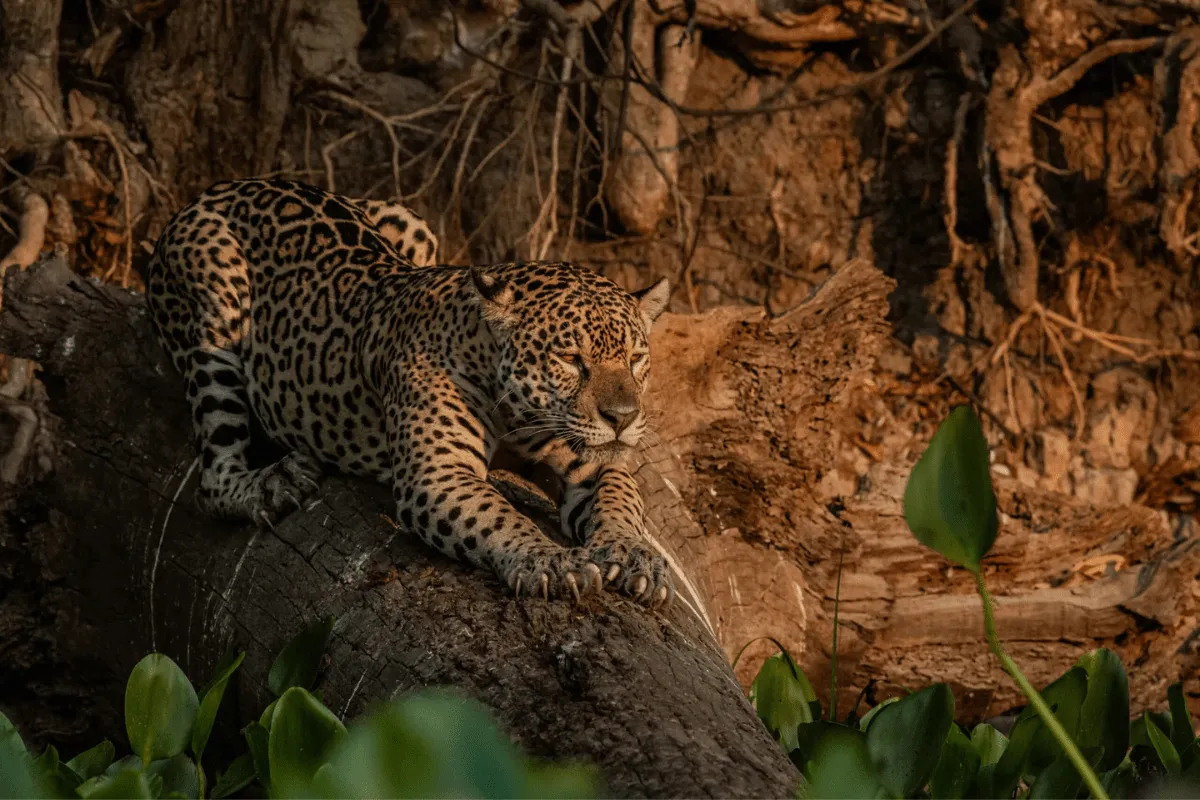
The Best Time for a Jaguar Safari in the Pantanal
Choosing the right time to embark on a jaguar safari in the Pantanal can make a big difference in the experience. The Pantanal has two main seasons: the rainy season and the dry season.
- Dry Season (approximately May to October): This is undoubtedly the optimal period for most visitors. During these months, water levels recede, concentrating wildlife, including jaguars, around the remaining rivers and water bodies. Vegetation is less dense, improving visibility, and land routes are more accessible. Jaguar sightings are considerably more frequent and predictable.
- Rainy Season (approximately November to April): While this season can present logistical challenges due to flooding, it also has its charm. Nature is at its most vibrant, with an abundance of birds and lush vegetation. However, jaguars tend to disperse more, and observation can be more difficult due to dense vegetation cover and higher water levels.
For those specifically focused on a jaguar safari in the Pantanal, the dry season is the primary recommendation. The concentration of prey and the need to access limited water sources make jaguars more visible and predictable in their movements.
How is a Jaguar Safari in the Pantanal Conducted?
The methodology for a jaguar safari in the Pantanal focuses on patient and respectful observation. Tours typically operate from lodges strategically located near rivers or in areas with a high probability of sightings. Boats, often motorized launches or smaller vessels, are the primary mode of transport.
Expert guides use their knowledge of the terrain and nature's signs to locate jaguars. This can include following tracks in the sand, listening for vocalizations, or simply scanning riverbanks with high-powered binoculars. The key is discreet observation, maintaining a respectful distance to avoid disturbing the animal or altering its natural behavior. Most tour operators follow strict conservation protocols to ensure the safety of both animals and visitors.

Observation and Tracking Techniques
Guides employ various techniques to locate jaguars:
- Track following: Fresh tracks in mud or sand are clear indicators of a jaguar's recent presence.
- Prey observation: The presence of animals like capybaras or caimans with signs of having been hunted can indicate a jaguar's proximity.
- Listening for vocalizations: Jaguars emit specific sounds, and experienced guides can identify these signals.
- River patrols: Riverbanks are the most productive areas, as jaguars use them as corridors and hunting grounds.
Technology also plays a role. The use of powerful binoculars and telephoto lenses is essential for detailed observation without getting too close. Some lodges may employ camera traps or drones (with strict regulations) to monitor jaguar activity in specific areas.
The Safari Experience: Beyond the Jaguar
Although the jaguar is the main star, a sa...(continues)